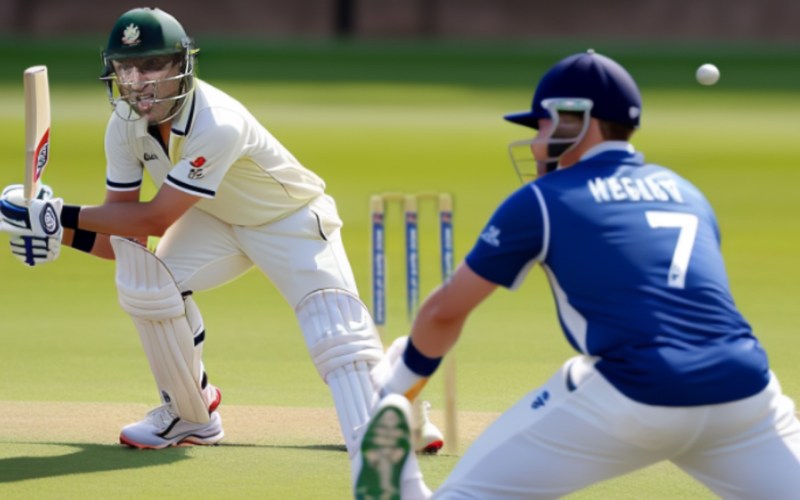
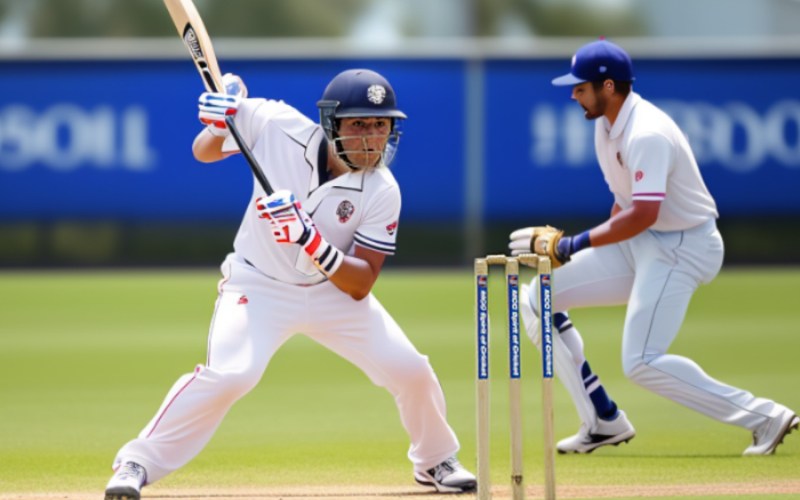
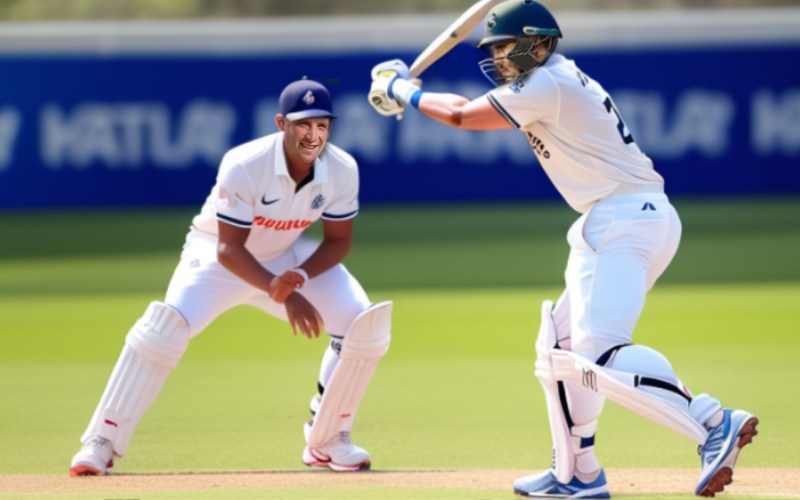
Cricket is a bat-and-ball game played between two teams of eleven players on a
field at the centre of which is a 22-yard (20-metre) pitch with a wicket at each
end, each comprising two bails balanced on three stumps. The batting side scores
runs by striking the ball bowled at one of the wickets with the bat and then
running between the wickets, while the bowling and fielding side tries to
prevent this (by preventing the ball from leaving the field, and getting the
ball to either wicket) and dismiss each batter (so they are
“out”).
Means of dismissal include being bowled, when the
ball hits the stumps and dislodges the bails, and by the fielding side either
catching the ball after it is hit by the bat, but before it hits the ground, or
hitting a wicket with the ball before a batter can cross the crease in front of
the wicket. When ten batters have been dismissed, the innings ends and the teams
swap roles. The game is adjudicated by two umpires, aided by a third umpire and
match referee in international matches. They communicate with two off-field
scorers who record the match’s statistical information. (資料來源 )
Cricket is one of many games in the “club ball” sphere that
basically involve hitting a ball with a hand-held implement; others include
baseball (which shares many similarities with cricket, both belonging in the
more specific bat-and-ball games category), golf, hockey, tennis, squash,
badminton and table tennis. In cricket’s case, a key difference is the
existence of a solid target structure, the wicket (originally, it is thought, a
“wicket gate” through which sheep were herded), that the batter must
defend.
The cricket historian Harry Altham identified three
“groups” of “club ball” games: the “hockey
group”, in which the ball is driven to and from between two targets (the
goals); the “golf group”, in which the ball is driven towards an
undefended target (the hole); and the “cricket group”, in which
“the ball is aimed at a mark (the wicket) and driven away from it”.
(資料來源 )